
Stay alert for snakes
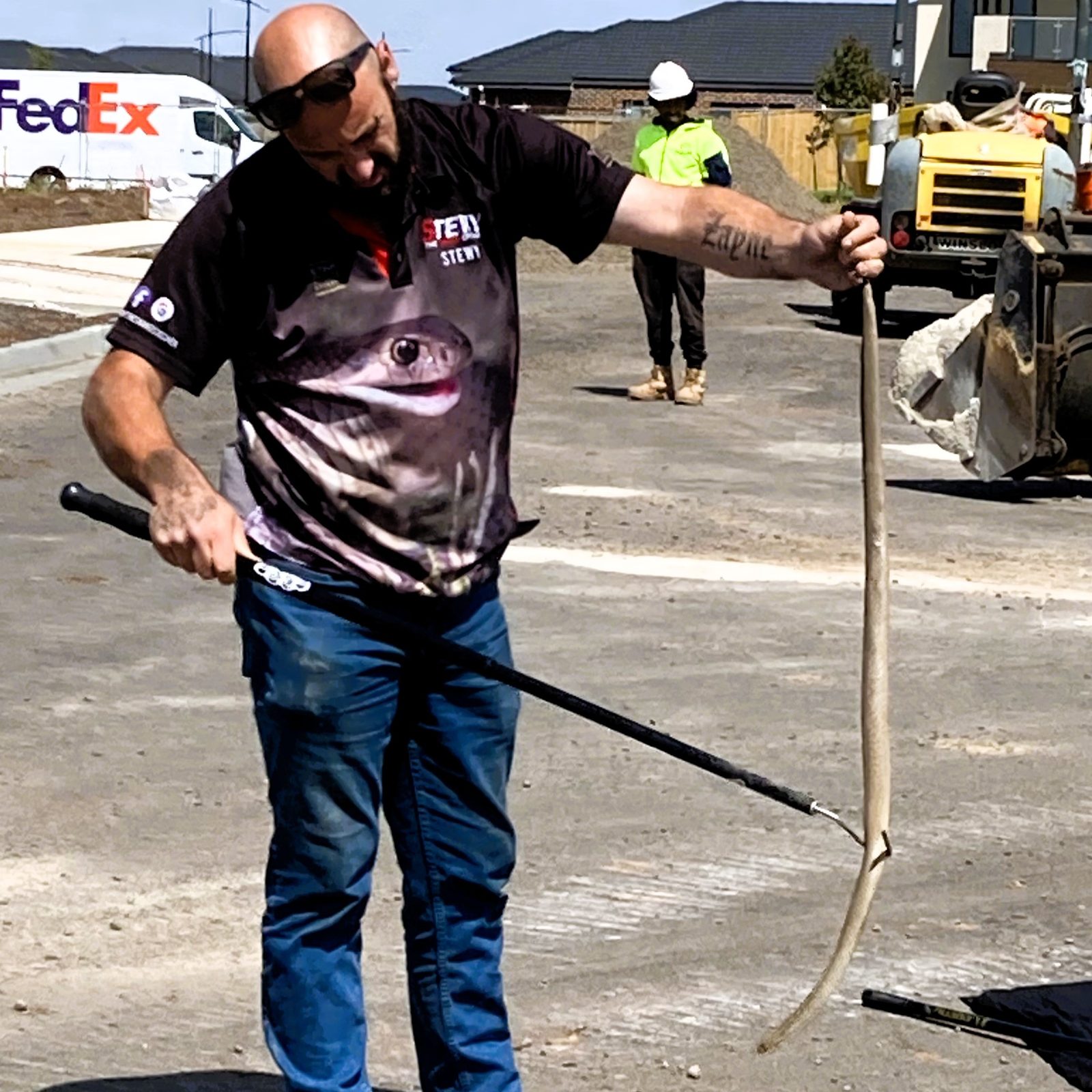
Snakes are active with snake catchers already being called to remove snakes from all areas, including urban.
Snake bites can be potentially fatal so immediate medical assistance should be sought for all cases of suspected bites.
While not all snakes are venomous, it is difficult to identify snakes so all bites should be treated as dangerous. No case of real or suspected snakebites should be regarded as trivial.
Snakes come out of hibernation during the warmer months and in urban areas will inevitably move into, or near places where people live and work in search of food or a mate.
Typical areas where snakes are found are protected areas such as under buildings and near sheds, around rubble and stored materials, in boxes (e.g. electrical switch box), and in the long grass. It is also not uncommon for them to enter open, unattended vehicles.
Prevention:
- Minimise the food sources for snakes by removing anything that may attract mice or frogs.
- Reduce the amount of rubbish and materials on-site where a snake could shelter.
- Wear gloves and boots when moving stored materials and rubbish as they will give a little protection.
- Increased awareness and alertness are the best protection, the snake will not be looking for you, so watch for it.
If a snake is seen or reported on or near a site:
- Stand still.
- If it is safe to do so, back away (retreat) slowly and find an alternate path.
- Remove all employees and contractors from the immediate area and report the sighting to the Site Foreman.
- Do not try to kill the snake – they are a protected species.
- Remember that the snake is also scared of you and will only strike if threatened.
- Note the location of the snake and ensure that this area is isolated until the snake is removed.
- Do not approach, attack, or otherwise provoke the snake. Remember – if provoked it may strike.
Treatment if someone is bitten:
- Call an ambulance immediately.
- Keep the patient still, including all limbs. The more movement the more spread of venom in the bloodstream so remember STILL IS BEST.
- Do not cut the bitten area.
- Do not apply an arterial tourniquet. Arterial tourniquets, which cut off the circulation to the limb, are potentially dangerous and are no longer recommended for any type of bite or sting in Australia.
- Do not wash bitten area. The type of snake involved may be identified by the detection of venom on the skin.
Emergency contacts:
- Ambulance: 000
- Snake Catcher: Google a trained snake catcher in your local area.