

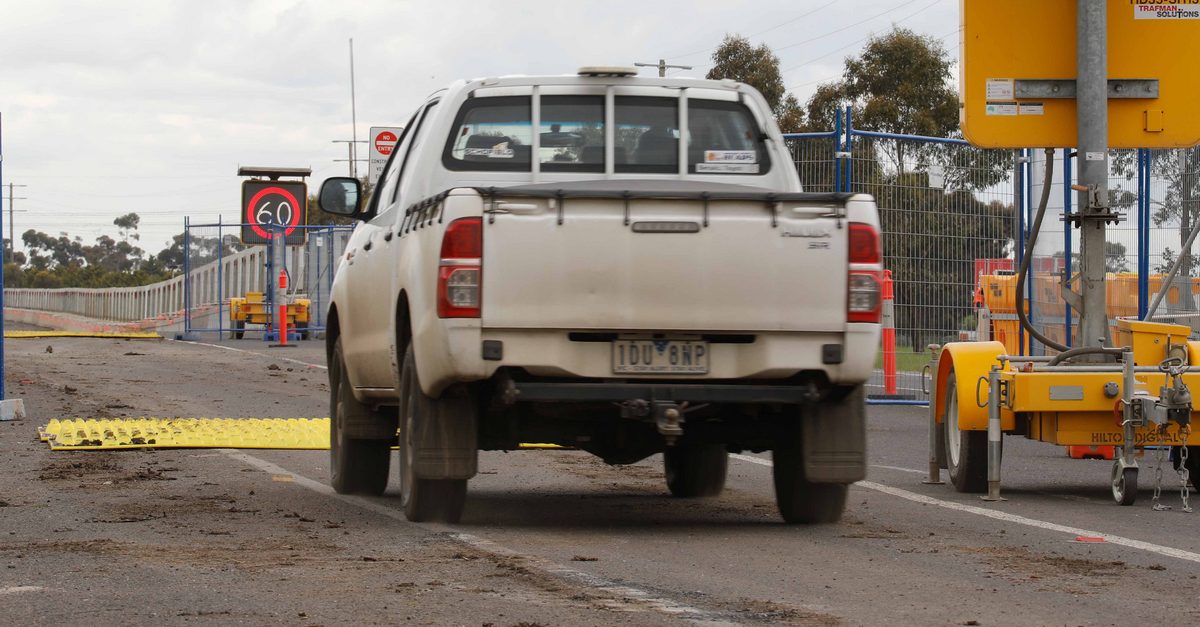
Prevent mud on public roads – it’s everyone’s responsibility
Mud on public roads from our sites is a major construction site issue every year during the wetter months.
Trucks and light vehicles can track sediment on to roads as they leave our construction sites, which creates issues for local residents and motorists.
Mud is an environment issue
The Environment Protection Authority (EPA) views this as a pollution event, as sediments on roads are washed into stormwater drains, where it ends up in creeks and rivers, harming water quality and negatively impacting aquatic life.
You must ensure compliance with regulations, such as those outlined by the EPA, to avoid penalties and ensure effective sediment management.
We can only run trucks if we can keep roads clean.
Each site is the responsibility of Supervisors and Area Managers, and Winslow supports the decisions made on a site-by-site basis.
Mud is a safety issue
Mud on roads also makes them slippery and unsafe for motorists.
As a company, we must address this issue by improving site stabilisation, maintaining drainage systems, and ensuring compliance with environmental regulations.
How to prevent mud on roads:
The measures below all help reduce sediment migration, protect local water bodies, and maintain compliance with environmental standards.
- Install site controls: Use trackout control systems, such as wheel-washing stations or FODS trackout mats to minimise vehicles carrying dirt and mud offsite.
- Plan your works: Cancel trucks if unsuitable weather is forecast.
- Close site gates: Park non-essential vehicles external to your site.
- Weekly maintenance: Inspect and maintain erosion and sediment control measures regularly, especially after rainfall, to ensure they are functioning effectively. Replace or repair damaged controls as needed.
- Visual Inspections: Check roads daily for mud. Deploy a street sweeper if needed, and manual cleaning as required. If you see something, report it to your Supervisor.