

Be aware of the silent killer
Every Monday, Wednesday and Friday, nurses at the Epworth Medical Centre in Melbourne pierce a vein in Nick Nesci’s left forearm to begin a five-hour dialysis session.
The veins in his arm are swollen from more than 570 injections that leave him tired and literally drained as blood and excess fluid is removed and pumped through the dialysis machine.
Once all toxins and impurities are removed from his body Nick can go home to recover, but he’s only allowed to drink one litre of fluid a day to restrict urinating.
This is what life looks like for someone battling focal segmental glomerular sclerosis (FSGS), or in layman’s terms, kidney disease.
The kidney’s main task is to clean your blood and filter waste out through your urine.
When your kidneys aren’t functioning as they should, waste gradually builds up in your body, and this can have a devastating impact on your health.
Scarily, 90 per cent of your kidney’s function can be lost without any symptoms, yet three out of four Australians are at risk of developing the disease.
Nick, Winslow’s Transport Manager, was “about 40 years old” when he was diagnosed after having a medical examination to get personal injury insurance.
“Because I had let my insurance cover lapse, I was required to go for a medical and blood test, which turned up some anomalies,” Nick said.
“I was then asked to have a kidney biopsy and it revealed that I had kidney disease.
“That’s when my life went into turmoil – even-though I still had around 70 per cent kidney function – because I was told it was irreversible and it would be a matter of time until I went into kidney failure.”
Detecting kidney disease is difficult because symptoms are often rare.
There are two main types of kidney disease – short-term (acute kidney injury) and lifelong (chronic).
An acute kidney injury is the temporary loss of kidney function lasting less than three months.
It typically has a fast onset, in response to an injury or illness affecting the kidneys, using drugs, blockages of the kidney or many other factors.
Some people will need a short course of dialysis to help their kidneys recover, and most fully recover from an acute kidney injury to live a normal life.
However, if significant damage has been caused, there is a higher risk of developing chronic (or ongoing) kidney disease.
Chronic kidney disease occurs when your kidneys have been damaged in a way that cannot be reversed and may eventually need a kidney transplant.
Nick requires a transplant, and like many other sufferers, he is patiently waiting for a donor with a compromised immune system due to anti-rejection medication to preserve the organ.
“You try to remain positive even though there are no drugs to stop the progress,” Nick said.
It was two years ago that he started dialysis aged 59, which meant he has had to take extended leave off work to focus on his health.
“Sleeping is also very problematic as I rarely get a full night’s sleep due to restlessness and pain, and I’m constantly experiencing up-and-down emotions and become emotional and depressed,” he said.
“My main focus is hoping for a transplant, but waiting times are anywhere between three and five years, so worrying never stops.
“My long-term prognosis is taking a cocktail of drugs and living in fear of the donated organ being rejected.
“I am currently on the donor list and hoping to receive a call soon for a transplant, unfortunately you can only receive a transplant if someone dies or if someone alive donates theirs and you are compatible.
“If a donor is not found soon it just means I keep dialysing until such a time an organ is found.”
Nick and his family are raising funds for Kidney Health Foundation and the Epworth Medical Foundation to make people aware of the disease known as “a silent killer”.
“You may have no symptoms but are on the way to kidney failure without even knowing it until it’s too late,” he said.
“Therefore, constant urine and blood tests are necessary to keep you ahead of the disease.”
To support Nick, Winslow is hosting a fundraising event.
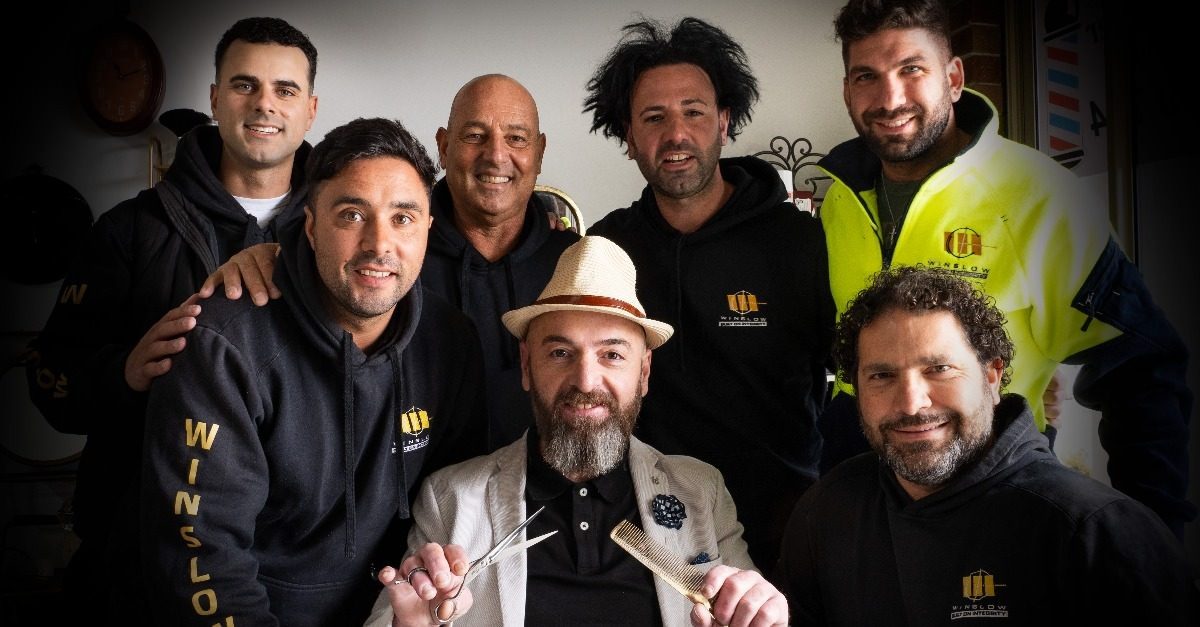
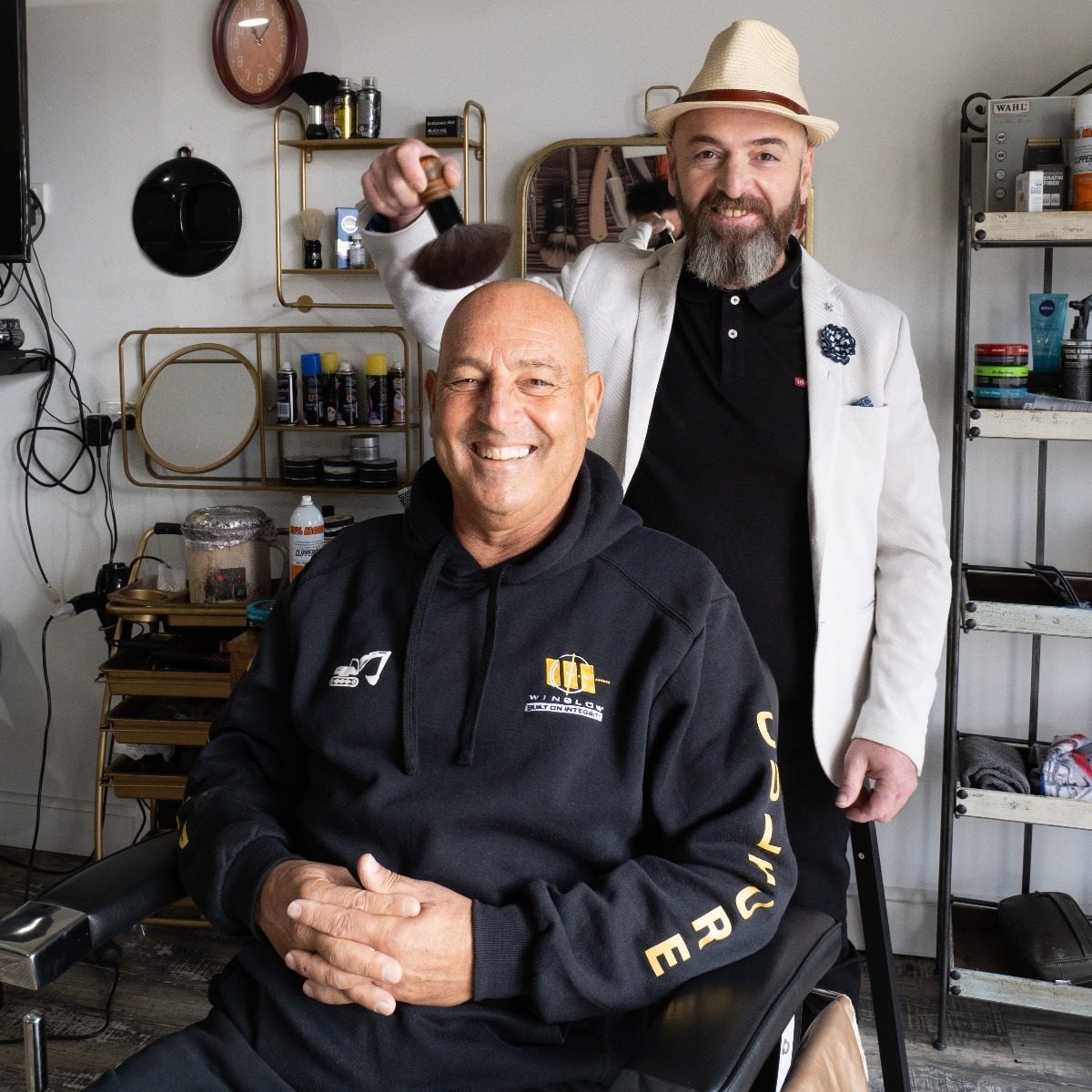
The highlight of the day will be the grand head shaving of four Winslowers to support the fundraising efforts for kidney disease research.
“My lifestyle was a get up go type,” Nick said. “Nowadays I don’t do much as I don’t have the energy. I appreciate time and its importance knowing time is precious and I prioritise my life around family and things I want to do.
“My advice to others is make your health a priority, try to live clean, don’t abuse your body and maintain a strong mindset.
“Plan for today as tomorrow is promised to no one so enjoy each day.”
Winslow is hosting Head Shave for a Cure on Friday 9 August at 1:30pm at Marnong Estate, 2335 Mickleham Rd, Mickleham. The highlight of the day will be the grand head shaving of four Winslowers in support of their colleague, Nick.
Donations can be made here: Head Shave for a Cure